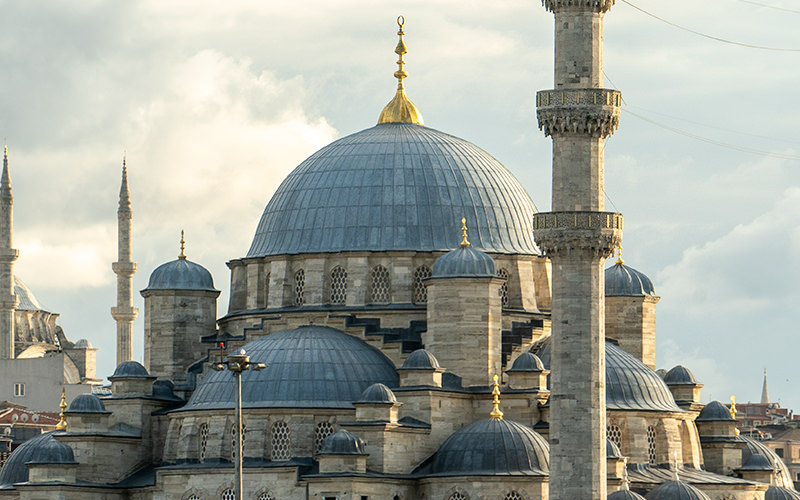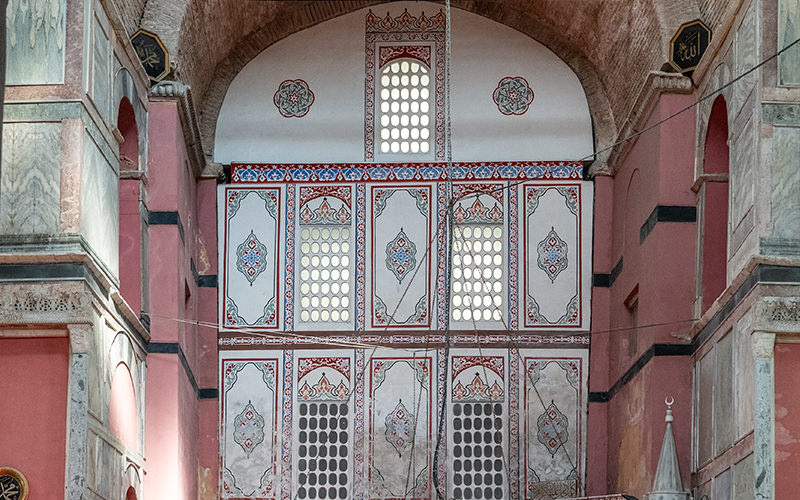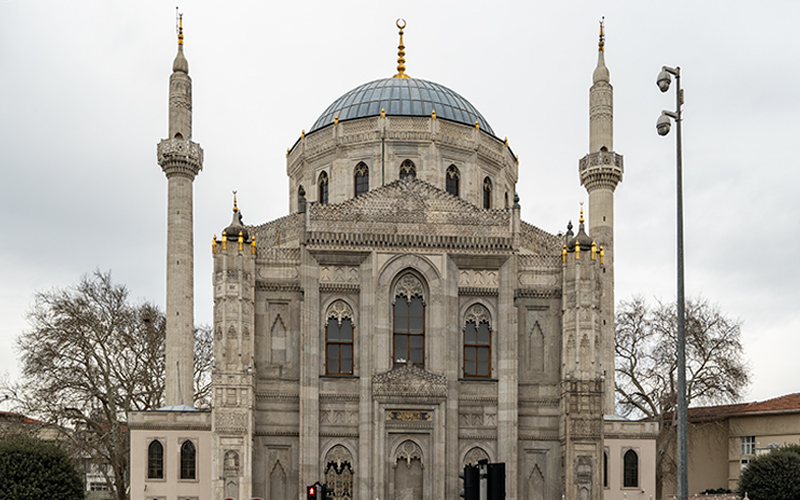
During my trip to Istanbul last autumn, I decided to walk to the Şehzade Mosque. I had been to this area many times before but kept putting off visiting the complex. Many travelers know that Istanbul is a true city of cats; you can meet them here at almost every step. It seemed to me that the Şehzade Mosque is one of the places in the metropolis with the highest concentration of these furry masters of the city.


History of the complex
The Şehzade Mosque (Mosque of the Crown Prince or Prince's Mosque) was built in memory of Sultan Suleiman the Magnificent's son, Mehmed. He died of smallpox, having lived a little over 20 years. Some researchers believe that the mosque might have been dedicated to Sultan Suleiman himself, but the architect realized that he could build a grander structure for the ruler. Another legend says that one of the columns near the cemetery of this complex marks the center of Istanbul.


The author of the mosque project is the famous Koca Mimar Sinan; I already wrote about him in articles about the Süleymaniye and Mihrimah Sultan mosques. Şehzade is the first of the architect's major imperial mosques. The complex was built in 1543–1548.
The mosque complex included a cemetery, a madrasa (educational institution), a caravanserai (a place where merchants stayed), a kitchen, and a primary school. Some of these buildings have been destroyed, others have survived to our time. In the eastern part of the territory, there are several burials, among which is the mausoleum of Prince Mehmed himself.


Six gates lead to the complex grounds. The mosque itself has two minarets. Guidebooks say that they differ from the minarets of many other religious buildings in Istanbul: the architect Sinan created a unique ornament for them.
As I wrote at the beginning, there was simply a huge number of cats on the complex grounds. This is probably due to the fact that the mosque attendants feed the animals. I am sure that this place will definitely please tail-lovers.


How to get there
It is convenient to get to the mosque by metro — the "Vezneciler" station is a few minutes' walk from here. A little further is the T1 tram line; the nearest stops are "Laleli – University" and "Aksaray".
Şehzade Mosque is active, entrance here is free. Before entering the building, you will need to take off your shoes.


On the way to the mosque or after visiting it, you can, for example, stop by the Kalenderhane Mosque or walk to the former Pantokrator Monastery; these buildings are located nearby.
Happy walks!