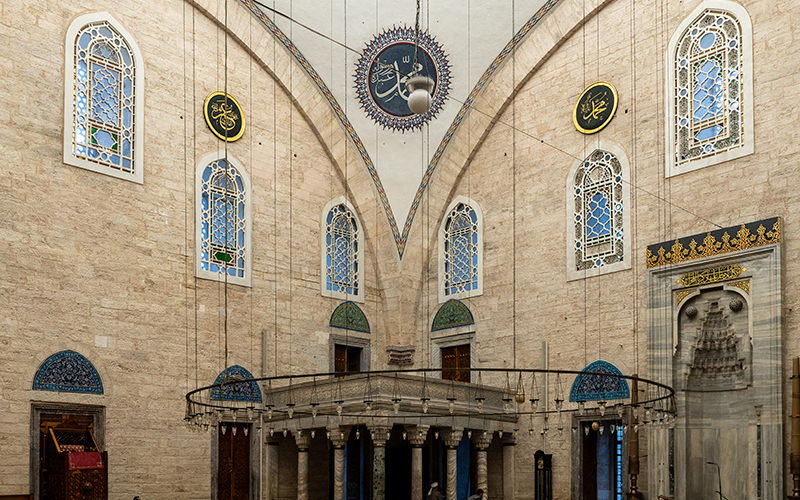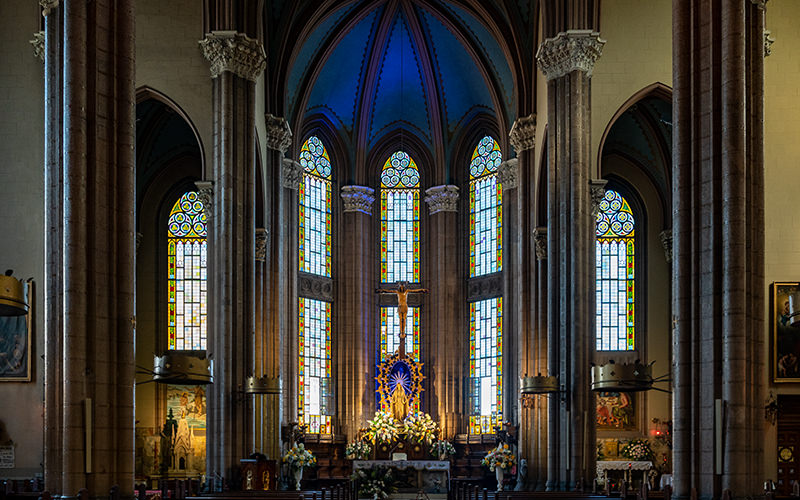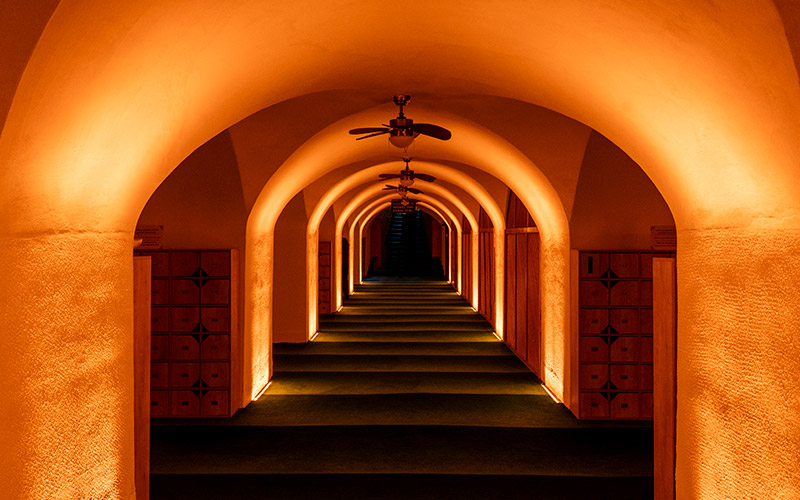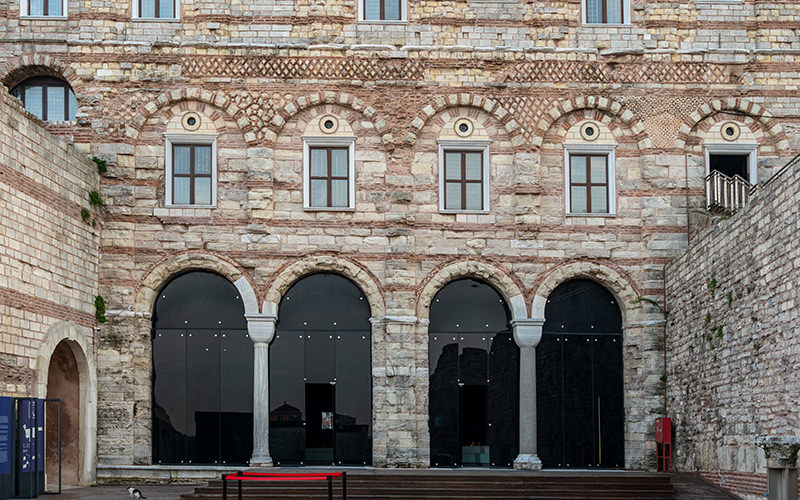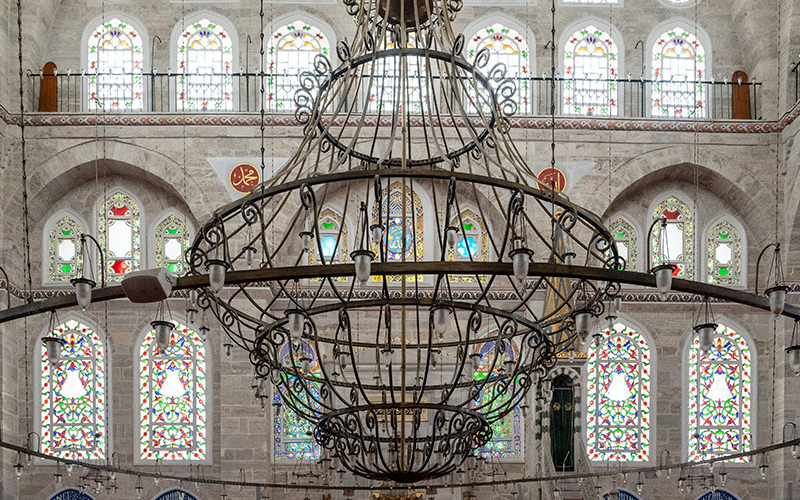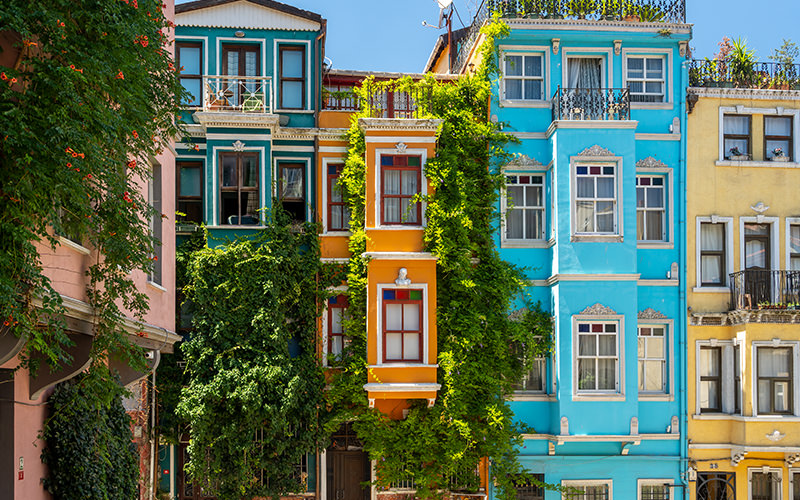
One of the most amazing sights in Istanbul that I visited during my last trip was the Kariye Mosque. I spent very little time here; nevertheless, the building stuck in my memory due to its interiors with vibrant frescoes and mosaics.


History of the building
The modern Kariye Mosque is the converted Church of the Holy Saviour in Chora. In the past, several other religious buildings existed on this site, all of which were destroyed by earthquakes. The building acquired a look close to its modern appearance between 1077 and 1081. Over time, the temple was rebuilt many times, and in 1511, the church became a mosque.


In the Old Turkish language, the word "kariye," like the Greek "chora," meant a village or countryside. Today, the former church is located in a densely populated area of Istanbul, but in the past, it was on the outskirts of the city. The name of the place was preserved even after the appearance of the wall that included the building within the city limits.
Kariye Mosque is similar to other Byzantine buildings; it seemed to me that from the outside, there is nothing extraordinary about it. The most interesting part is inside the structure. As I wrote above, the interiors of the building are distinguished by bright mosaics and frescoes. These details were hidden under a layer of plaster, but between 1948 and 1958, the walls were cleaned. At the same time, the building became a museum.


We do not know the author of the images on the walls of the former church (only his signature on some details of the paintings has survived), but we know the patron of the temple's decoration — it was Theodore Metochites, a Byzantine statesman who once held the highest state offices. Guidebooks say that he asked to have his portrait added to the church mosaics; however, I only found out about this after visiting the museum and did not look for this image while I was there.
The paintings on the walls and vaults of the former church introduce us to stories from the lives of Jesus Christ and the Virgin Mary. There are several halls in the building, which can be walked through in a few minutes, but the mosaics and murals can make travelers linger here for a long time.
How to get there
My hotel was located not so far from the mosque, so I reached the building on foot. If you want to get here by public transport, you can take the metro to the "Topkapı – Ulubatlı" station or the T4 tram line to the "Edirnekapı" station. You can plan your trip in the Moovit app.


Kariye Mosque is the most expensive attraction in Istanbul among all the places I have been. Entrance here cost 20 euros. Payment for the visit could be made in cash or with a bank card.
Despite paying 20 euros for entry, I only managed to spend 20 minutes in the mosque: I didn't take into account that the building is closed to tourists in the middle of the day. The prayer break lasts from 12:50 PM to 1:30 PM. The last visitors are allowed in at 12:30 PM. The mosque closes a second time from 4:11 PM to 4:51 PM. Current prayer times should be checked in advance, as they may change.


After visiting this mosque-museum, you can, for example, stop by the Mihrimah Sultan Mosque or walk along the walls of ancient Constantinople.
Happy travels!